
The Masonic Temple of Philadelphia, located directly across from City Hall, is one of the most stunning architectural marvels in the United States. Construction began in 1868 and took five years to complete, finally dedication in 1873. Designed by the prominent architect James H. Windrim, who was just 27 years old when he won the design competition, the building serves as the Grand Lodge of Free and Accepted Masons of Pennsylvania.
While the exterior resembles a medieval fortress, the interior is a showcase of artistic elegance and historical revivalism. The temple houses seven distinct lodge rooms, each designed to represent a different classical architectural style. Visitors can step through history as they transition between the Egyptian Hall (filled with hieroglyphics and massive columns), the Moorish Hall (inspired by the Alhambra in Spain), the Renaissance Hall, the Ionic Hall, the Oriental Hall, the Corinthian Hall, and the Gothic Hall. It took an additional two decades after the building’s initial completion for artists to fully decorate these spaces with the frescoes, gold leaf, and sculptures seen today.
The Pennsylvanie Historical and Museum Commission plaque outside reads:
The 1873 Masonic Temple, a National Historic Landmark, is home to the Grand Lodge of PA. It’s lodge rooms, featuring varied architectural themes, and its stonework are widely acclaimed. Its prominence in size and location reflects Free-masonry’s importance in American history.
Beyond its role as a functioning meeting space for local Freemasons, the temple operates as a public museum and research library. It holds a vast collection of historic artifacts, including a Masonic apron embroidered by Madame Lafayette and presented to George Washington, as well as various items belonging to famous Pennsylvania Masons like Benjamin Franklin. The Temple was designated a National Historic Landmark in 1971.
Additional Photographs
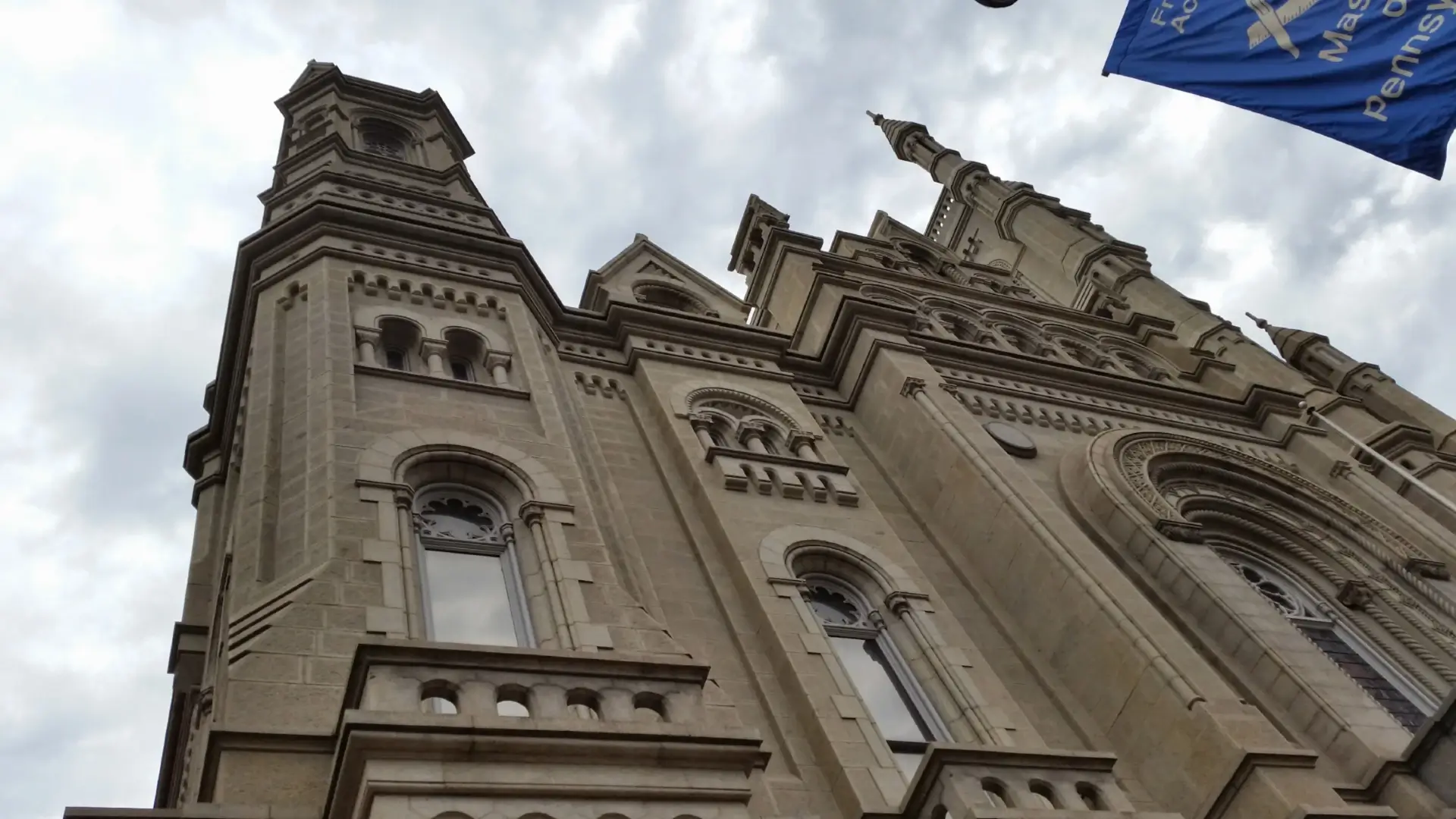
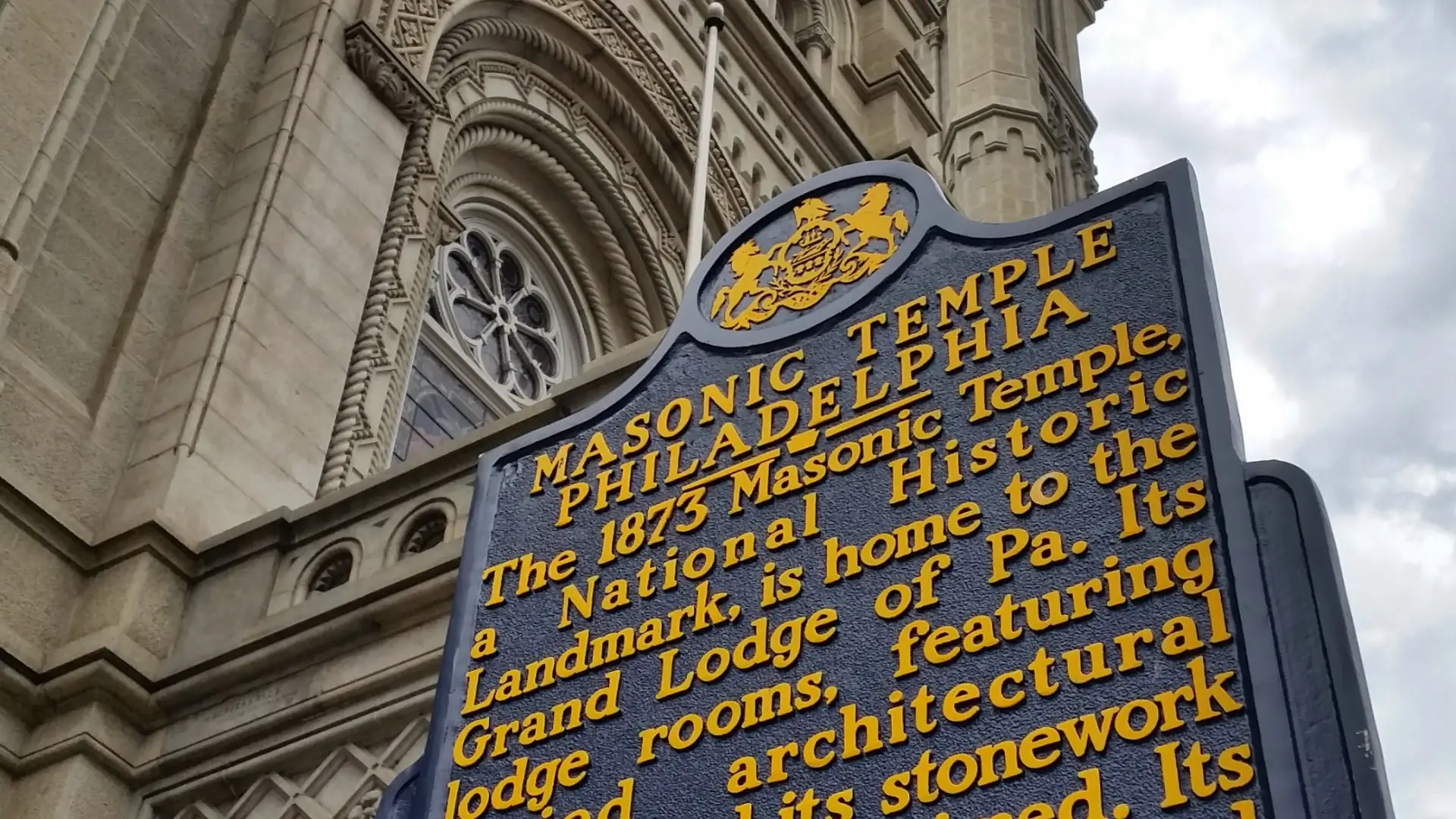
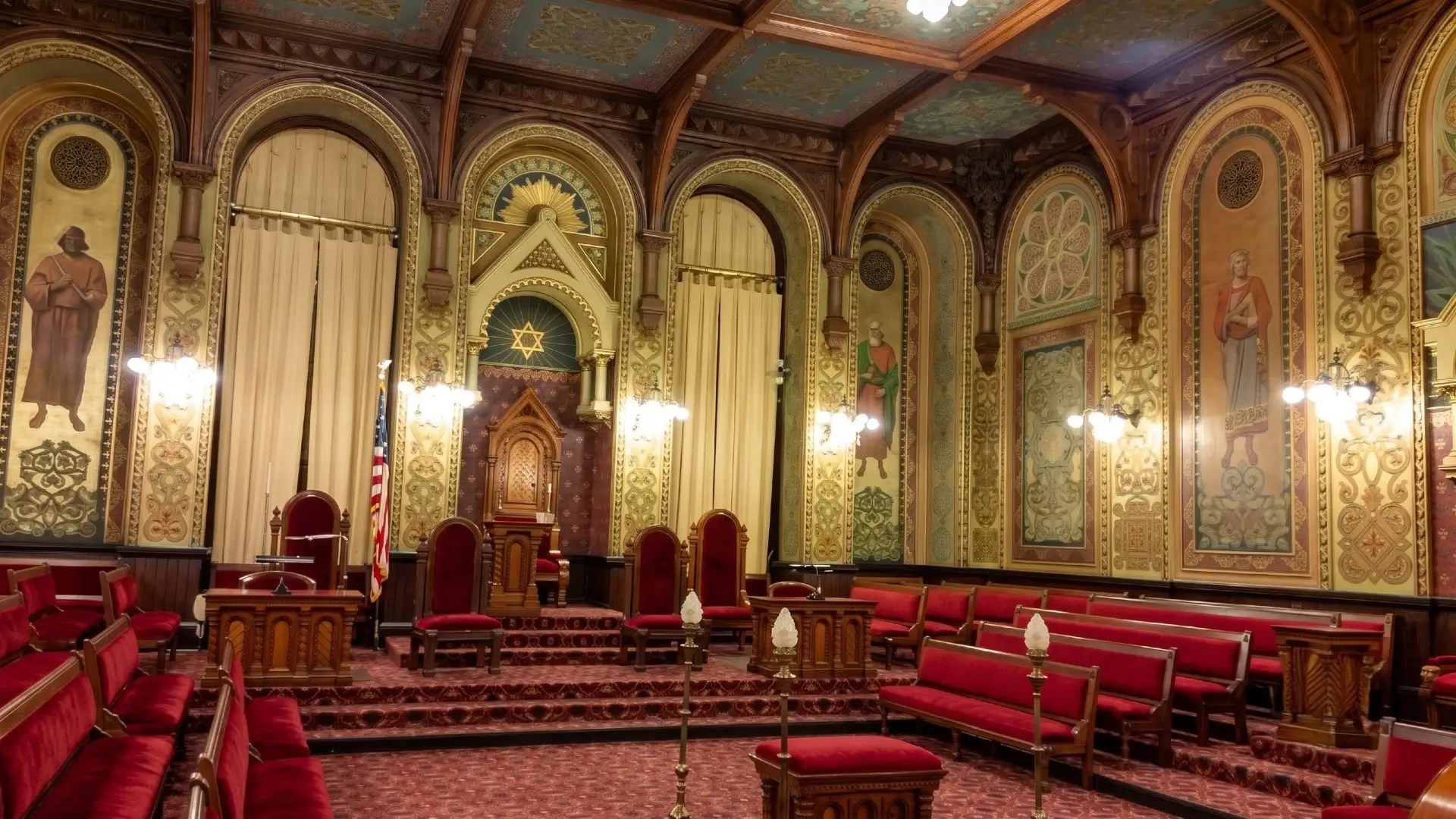
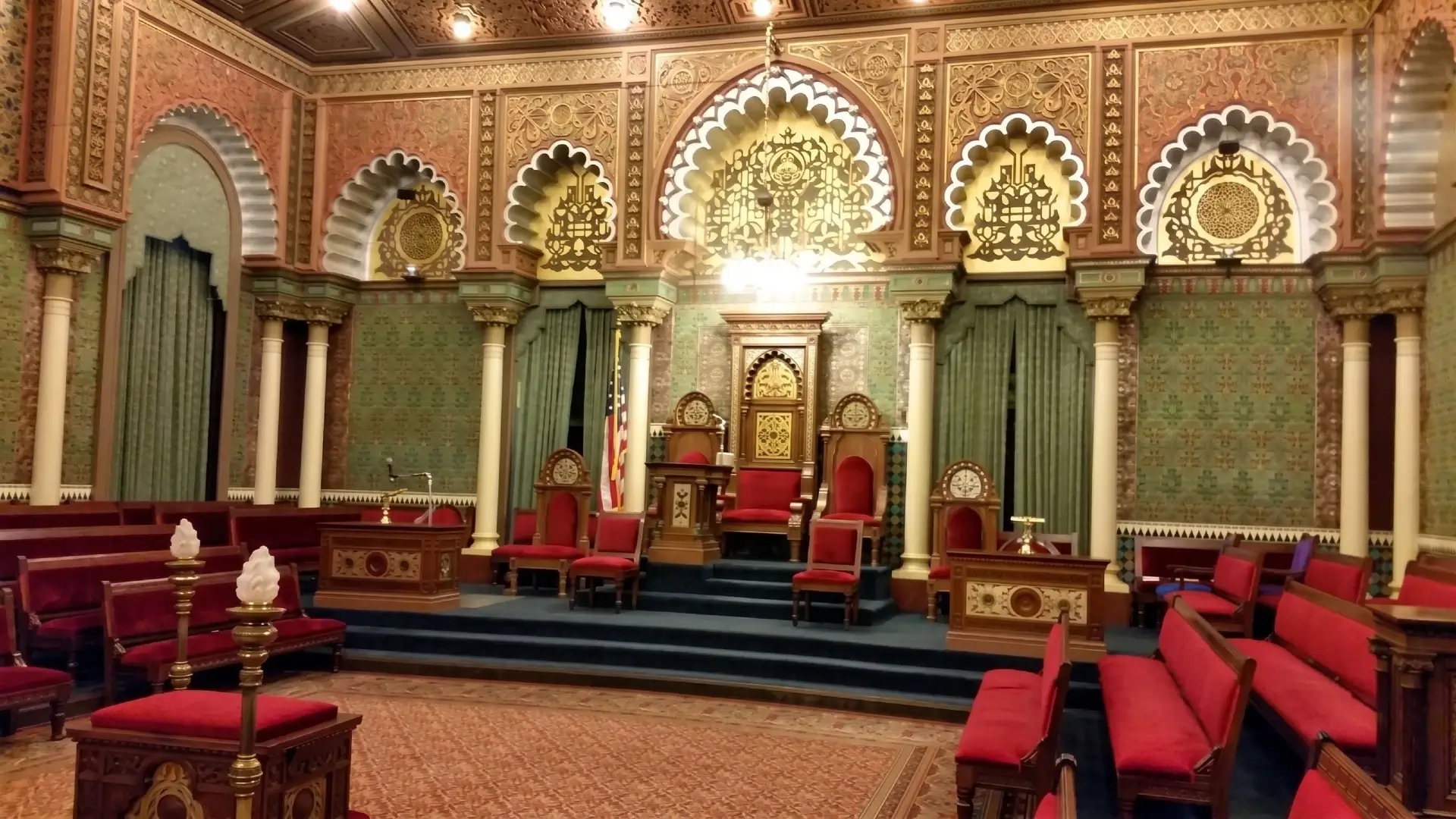
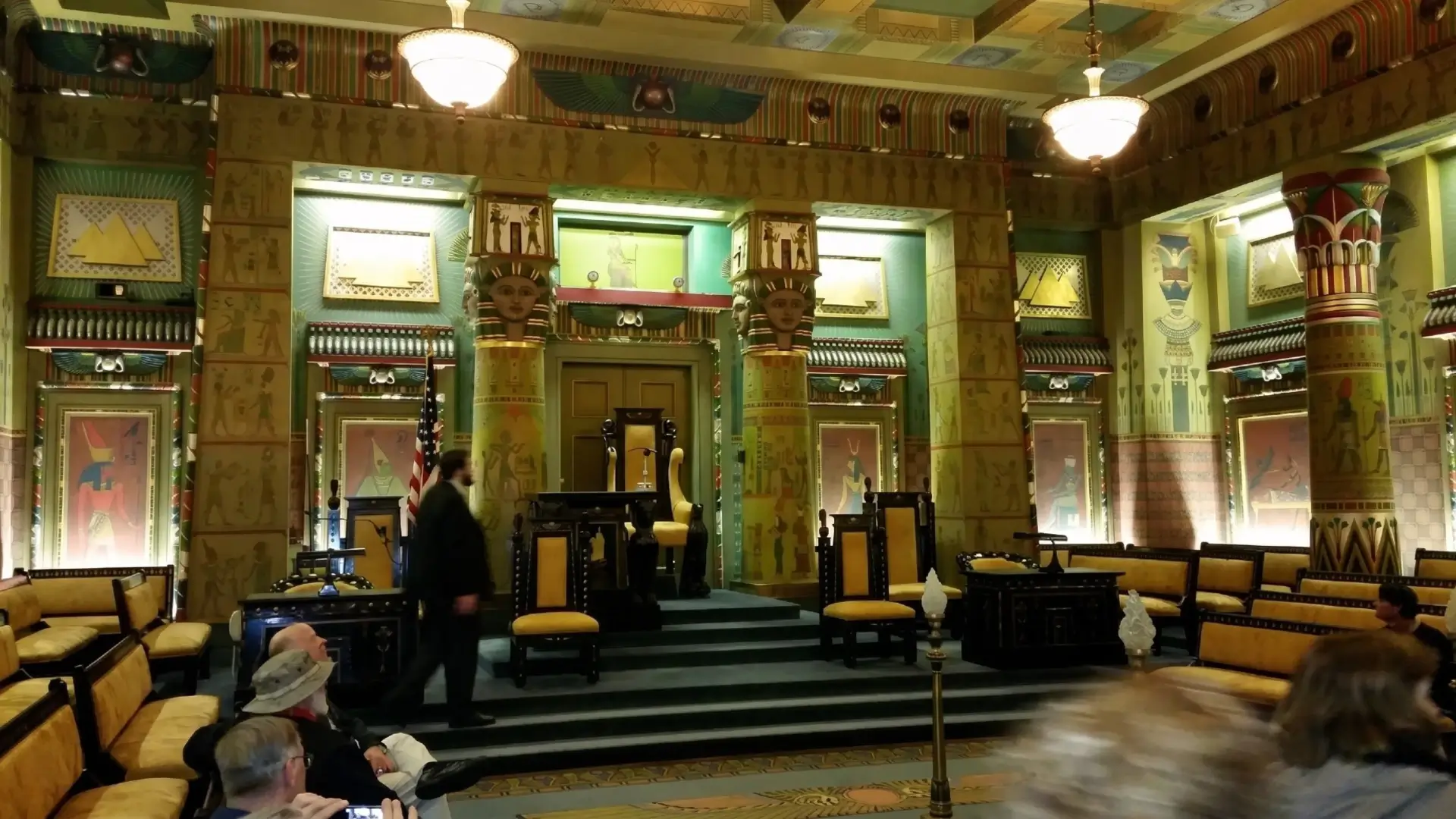
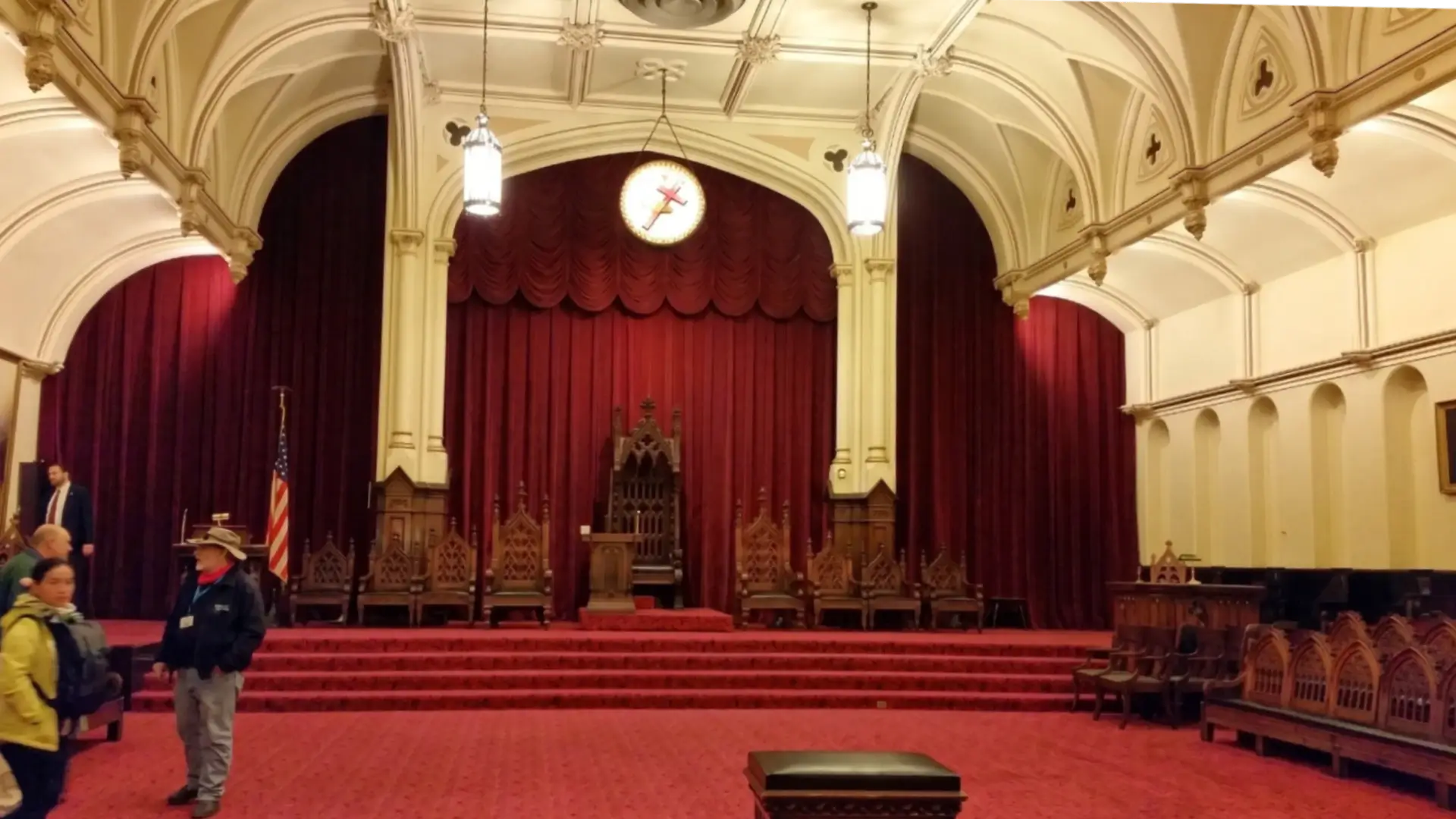
 Photo credit: TheKitchn.com
Leave a Reply
Want to join the discussion?Feel free to contribute!