The DwarfLabs Dwarf 3 is a small, portable telescope that can be used for astrophotography, wildlife or panoramic images. There is no screen, so images need to be viewed directly on your smartphone, computer or tablet. While you can see exactly what you are looking at on your device, the telescope really shines when you set it to automatically track the object and allow the Dwarf 3 to take dozens of images (up to 999) and layer them together for a high quality photograph. The compact design of the Dwarf3, just 8.7″ x 5.6″ x 2.5″ (222 mmx 142 mm x 65 mm) means it can easily fit in your suitcase by taking up just as much room as a book.
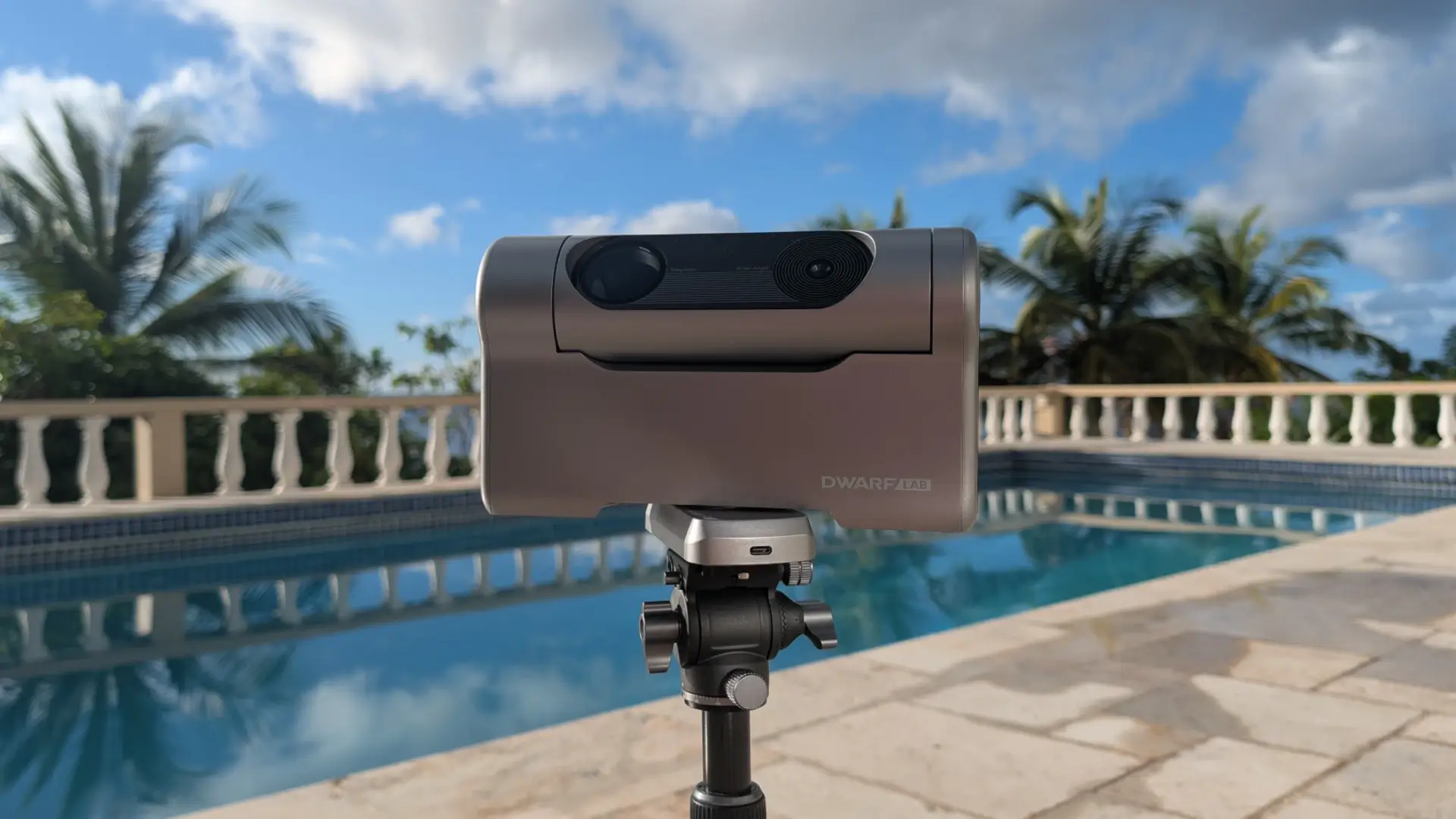
Dwarf3 Smart Telescope and DwarfLabs mini tripod
The Dwarf3 comes with a 10,000 mAh capacity battery (non-removable) that provides up to 6 hours of use. One great feature is that when you set the camera to take multiple images, it tells you if the telescope has enough battery power for the process to complete.
There are also three social features of the Dwarf3 for you to share images or video streams with friends or guests.
- Social stargazing mode (also known as Milky Way mode) lets you snap images of Milky Way focused on the galactic core, and share the images with others in real time.
- Live video streaming allows you to project you video on a monitor or projector to share with others
- Star Trails mode is for setting up your telescope to record and the Dwarf3 automatically stacks images of nebulas or rotating stars to show your guests.
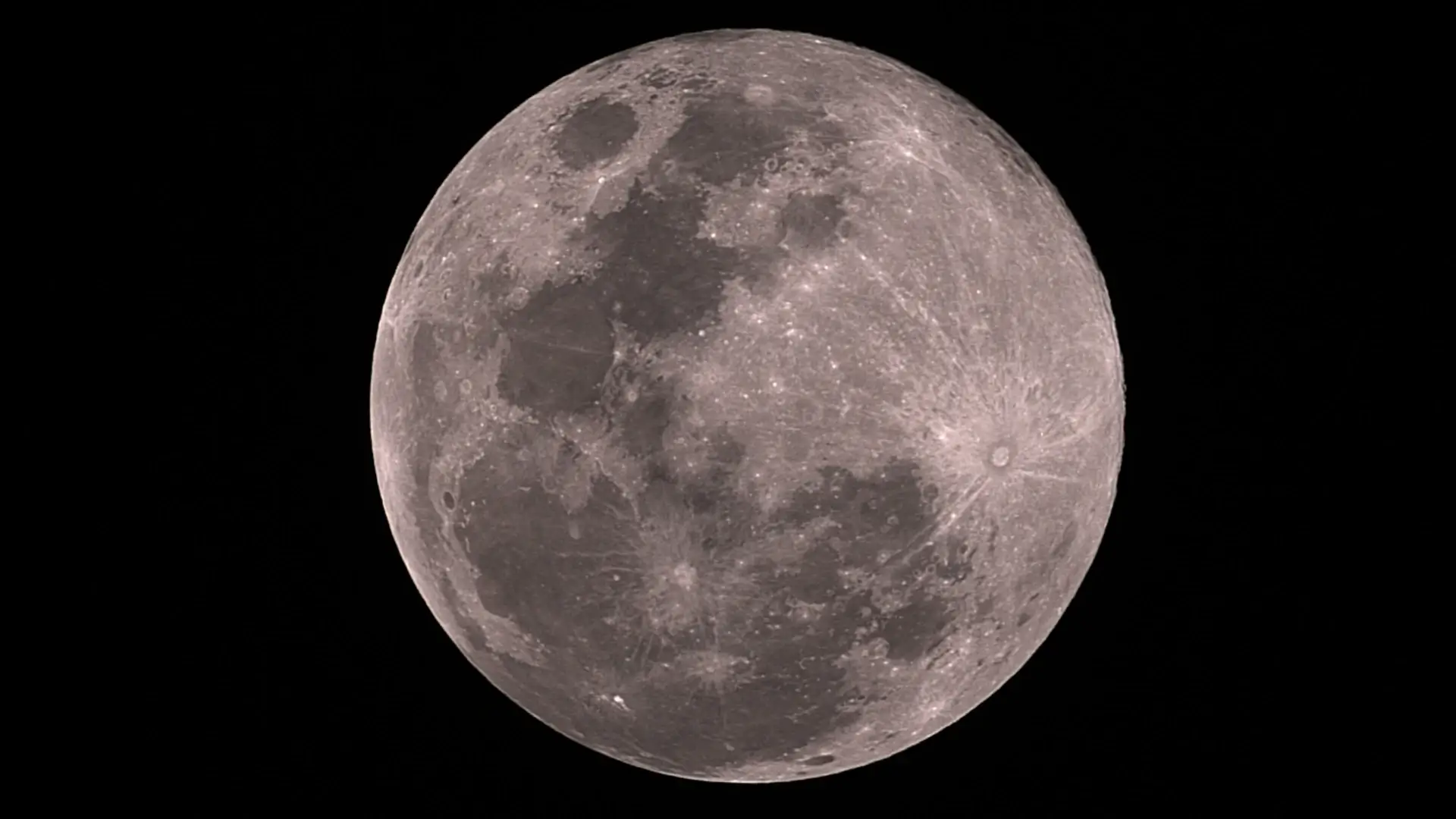
Full moon photograph with the Dwarf 3
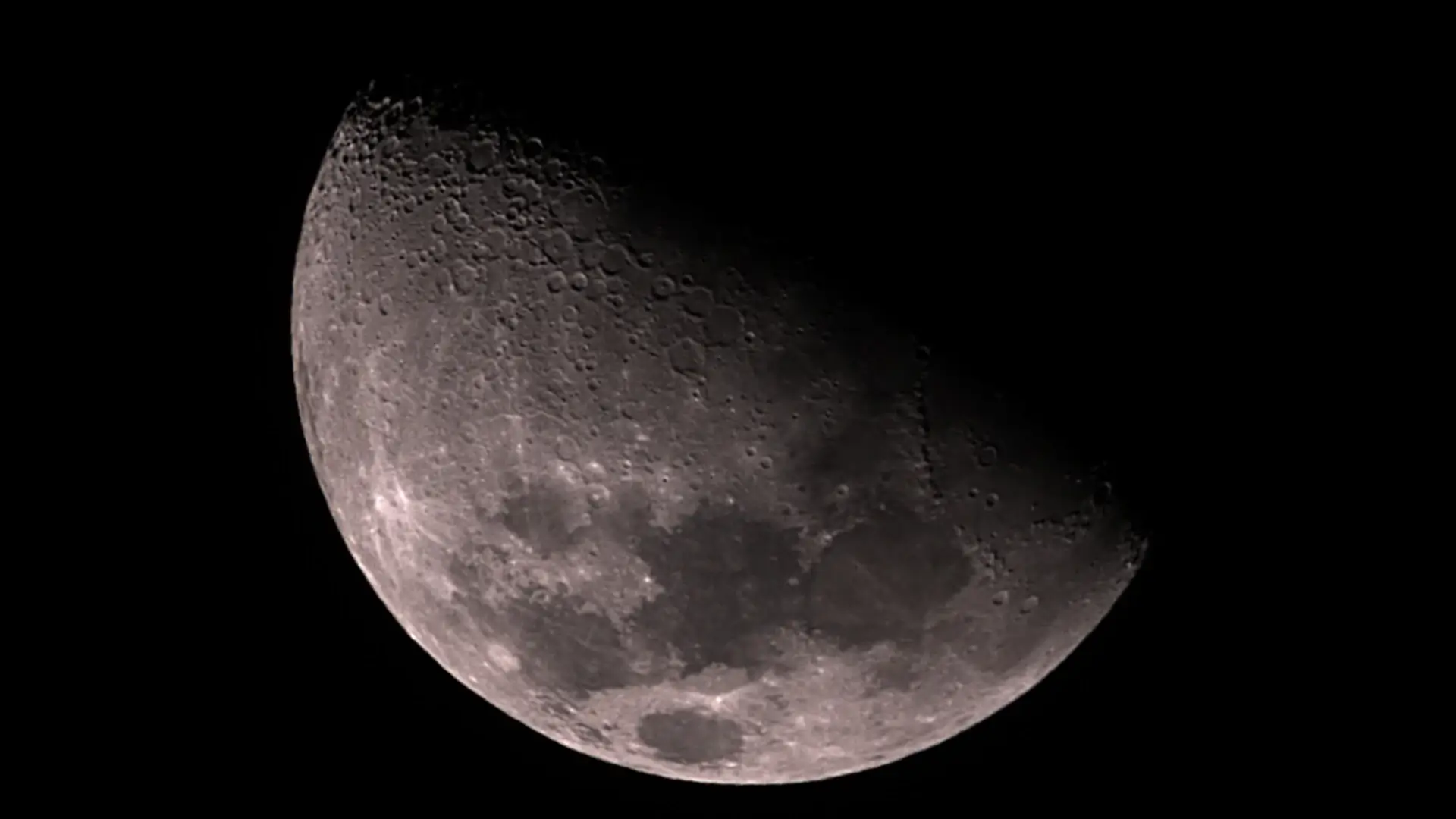
First quarter moon photograph with the Dwarf 3
Connecting to the device can be done via Wi-Fi, Bluetooth, or NFC. Initial connection between the telescope and the application has been the only issue we have had. While we eventually got connected, it sometimes takes a few restarts of the mobile app to show up. Once connected, if you use the same Wi-Fi or Bluetooth settings for the next usage it seems to remember that connection without issue.
When using the Dwarf3 at your home or somewhere with a solid internet connection, you can utilize the STA mode to connect the telescope and computer or mobile phone to the same network. Make sure your phone is not jumping between networks looking for the best connection, or you will lose connectivity. When using STA mode, you can set the telescope outside and return inside your home for operation. You will also need this mode to utilize the Sky Atlas directory of objects.
If you are out in a field or somewhere with no Wi-Fi, you would use the AP mode which connects your device to the telescope using a broadcasted network (hotspot) from the telescope. Just don’t venture too far from the unit as the range is only about 25 feet.
NFC mode is used only for the initial pairing of the two devices. Once connected, the telescope switches to AP mode for a direct Wi-Fi hotspot.
DwarfLab 3 Specifications
| Telephoto Lens | Wide-Angle Lens | |
|---|---|---|
| Aperature | 35 mm | 3.4 mm |
| Focal Length | 150 mm | 6.7 mm |
| Equivalent Focal Length | 737 mm | 45 mm |
| Image Sensor | Sony IMX678 1/1.8′ | Sony IMX307 1/2.8′ |
| Maximum Resolution | 3840 x 2160 (4k) | 1920 x 1080 (1080p) |
| Built-in Filter | VIS, Astro, Duo-band | Astro |
| Maximum Exposure Time | 60s | 90s |
The Dwarf3 Smart Telescope package is currently priced at $549.00 USD and comes with the telescope, a storage bag, a magnetic solar filter and storage bag, a type-C data cable and a cleaning cloth.
DwarfLabs also offers a mini tripod for an additional $89.00 USD that weights just over 1 ounce (30 grams). The tripod folds up to a compact size of 7 inches (180 mm) and extends out to 1.73 feet (530 mm). The connection is a standard 1/4″ 3/8″ which can be used on most cameras and devices. It is an excellent option if you need more sturdy support. For us, it was a definite upgrade from our Manfrotto PIXI.
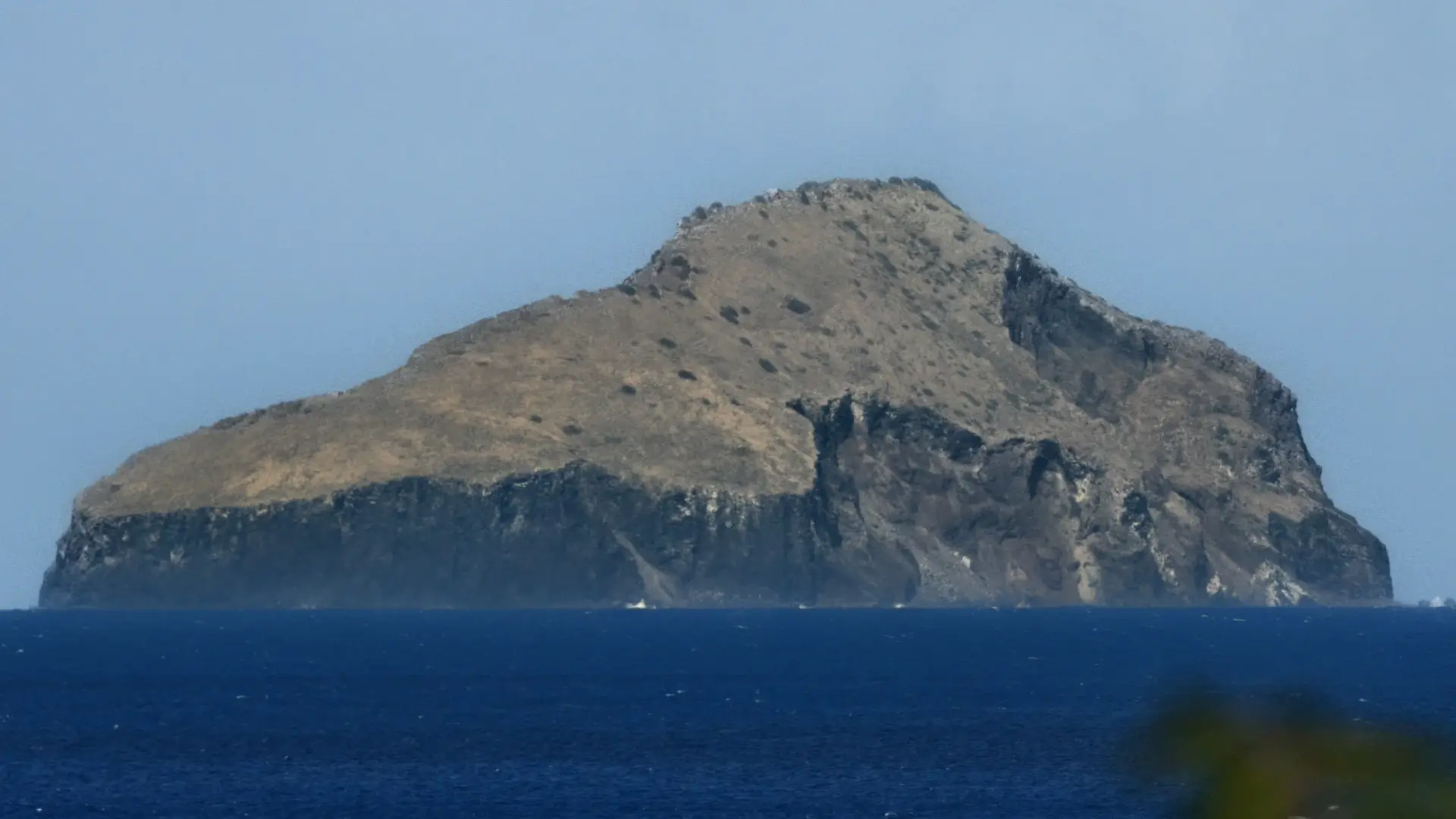
Distance to Redonda Island: 14.4 miles (23.1 kilometers)
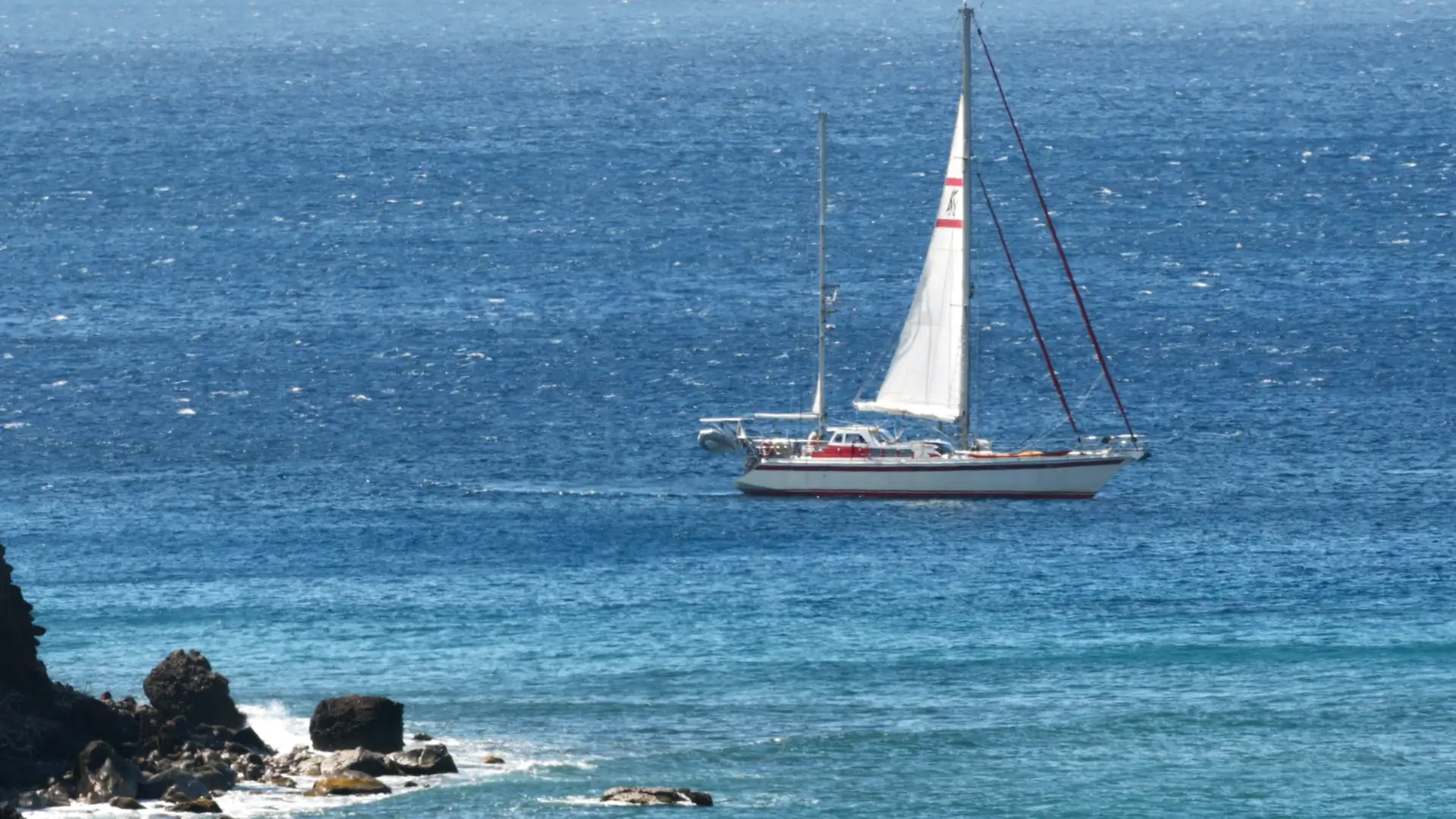
Distance to rocky point: .62 miles (1000 meters)
Distance to sailboat: approximately 1 mile (1609 meters)
We have not gotten as much use out of the smart telescope as we had wanted in the past 9 months since purchase. Not because of the product itself, but because of the nature of astrophotography: nighttime! Where we live is a Bortle class 7 area for light pollution (the worst is 9), so it doesn’t get too exciting.
Last year while travelling to Montserrat, we happened to have picked the worst time as far as moon phases. The days at the beginning and end of our trip were overcast, and the rest of the time the moon ranged from half to full.
This upcoming year, we will be there for the new moon so we are looking forward to getting some great shots.
All in all, I would recommend giving the Drawf3 a try if you want to expand your photography to the sky.


Leave a Reply
Want to join the discussion?Feel free to contribute!