The History of Montserrat
Photo © Source National Museum of Montserrat

The history of Montserrat begins long before European arrival, when the island was inhabited by the Arawak and later the Carib peoples, who called it Alliouagana, or “Land of the Prickly Bush.” Christopher Columbus sighted the island in 1493 during his second voyage. He named it Santa María de Montserrat after the Santa María de Montserrat Abbey in Spain, though he never made landfall. For over a century after this sighting, the island remained under Indigenous control until 1632, when it was settled by Irish Catholics. These settlers, many of whom were indentured servants or exiles sent from neighboring St. Kitts, established a distinct cultural footprint. Owing to this heritage and a lush terrain reminiscent of Ireland, Montserrat earned the nickname “The Emerald Isle of the Caribbean.”
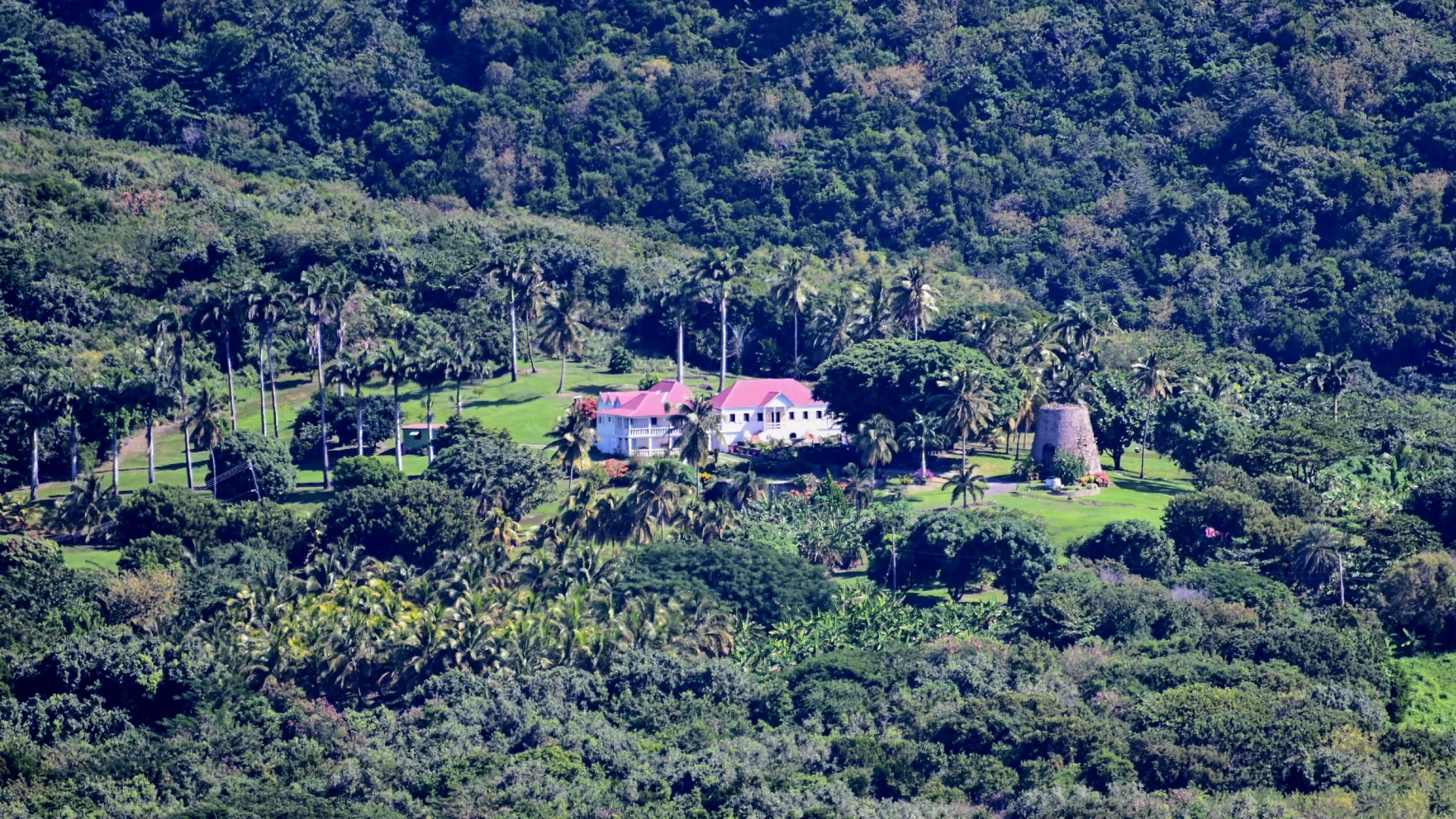
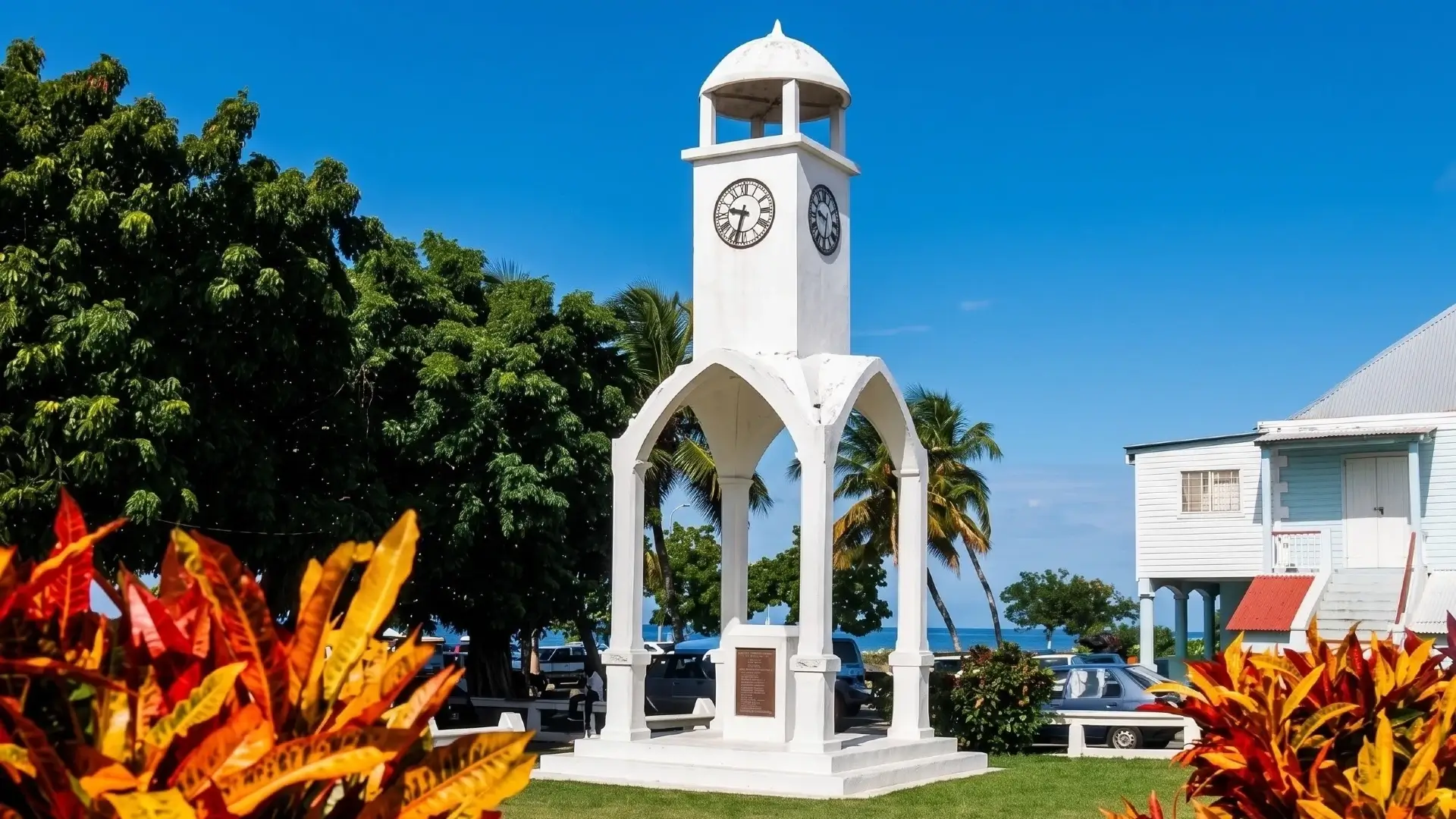
By the mid-17th century, the island’s economy had transitioned to plantation agriculture, relying heavily on the forced labor of enslaved Africans to cultivate sugar, tobacco, and cotton. This era was marked by continuous resistance, most notably the planned slave rebellion of St. Patrick’s Day in 1768. Today, Montserrat remains the only jurisdiction outside Ireland where St. Patrick’s Day is a public holiday, commemorated largely to honor this uprising.
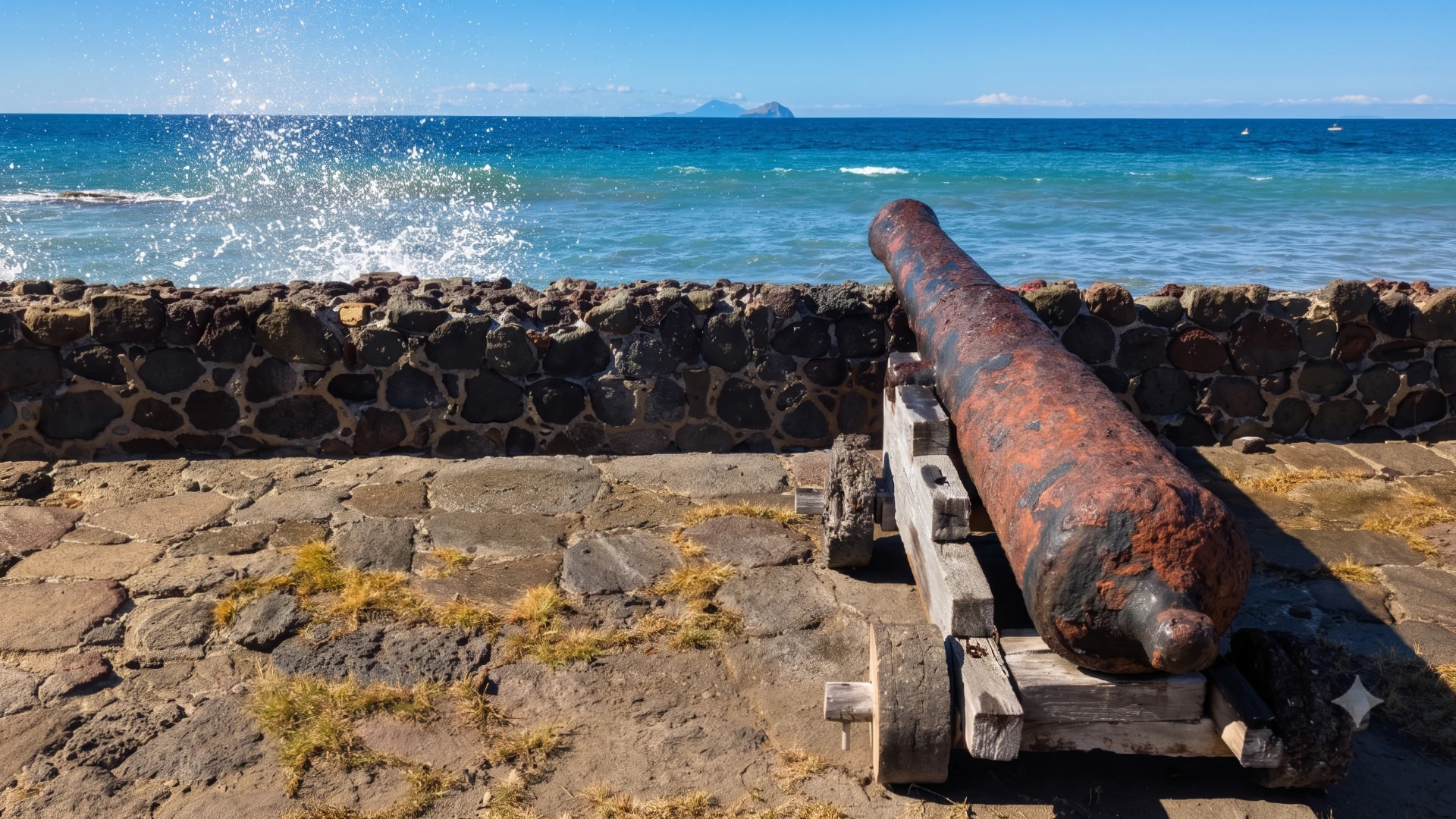
Following decades of territorial disputes between Britain and France, the Treaty of Paris in 1783 secured the island as a British colony. When slavery was abolished in 1834, the economy shifted toward the cultivation of limes and Sea Island cotton, ushering in a quieter period in the island’s history. Evidence of earlier colonial struggles remains visible today in defensive fortifications such as the Carr’s Bay gun battery.
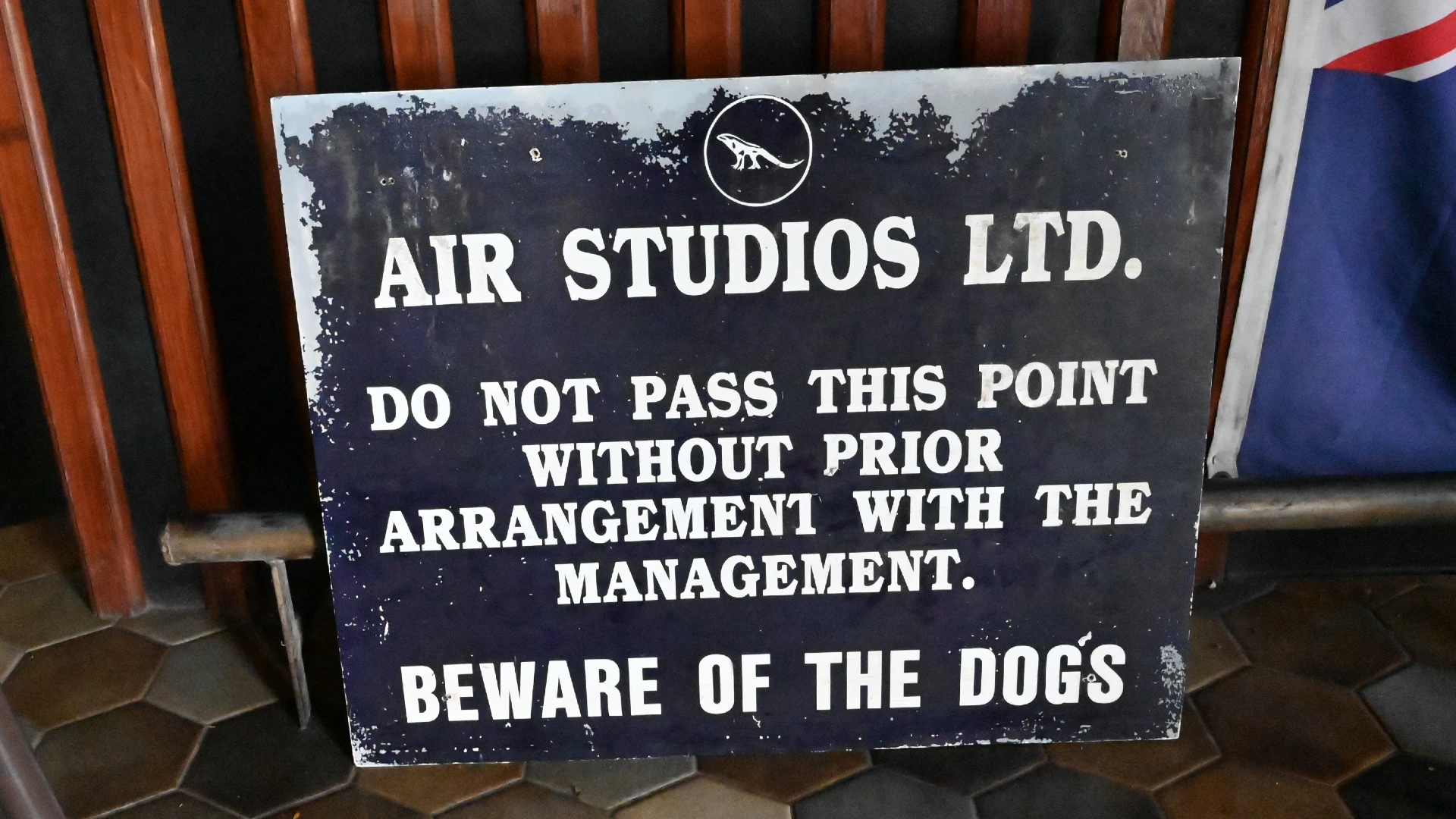
In the late 20th century, Montserrat reinvented itself as a glamorous destination for the music industry, particularly after Beatles producer George Martin opened AIR Studios Montserrat in 1979, attracting global rock legends to record in paradise. Memorabilia from the studio’s heyday can still be viewed at the AIR Studios Tribute inside the Hilltop Coffee House in Fogarty Hill. However, this creative golden era was cut short by natural disasters.
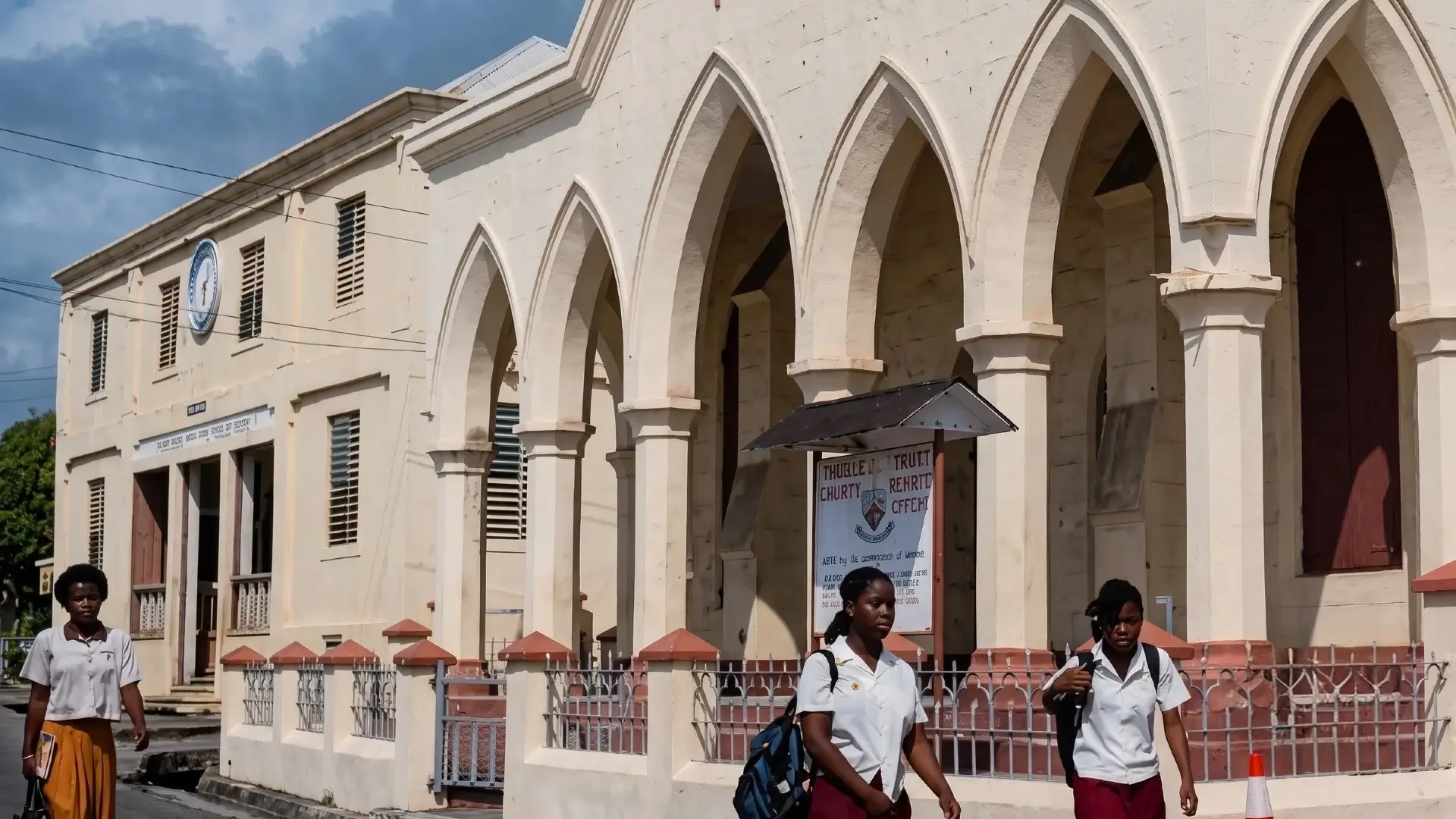
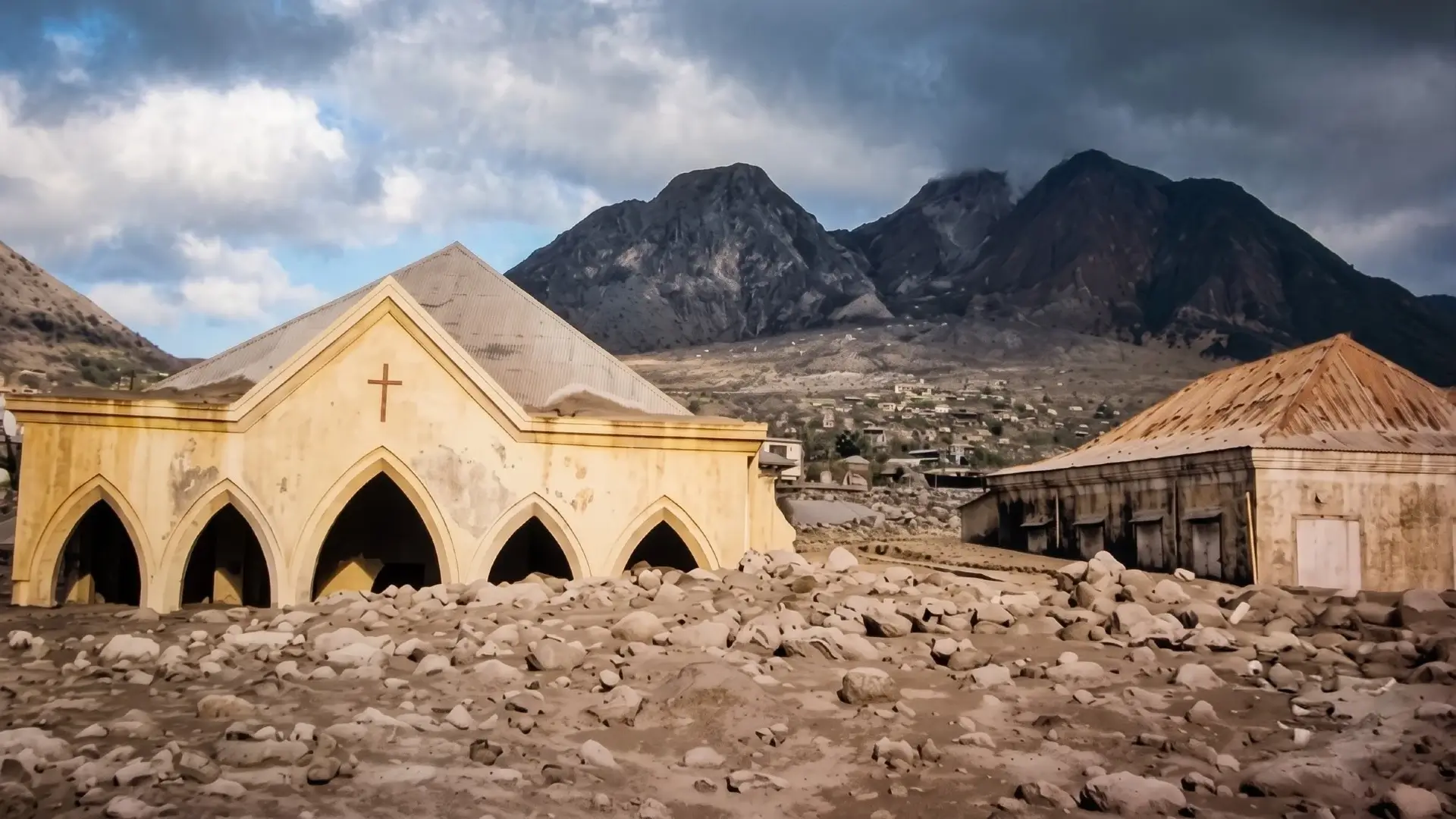
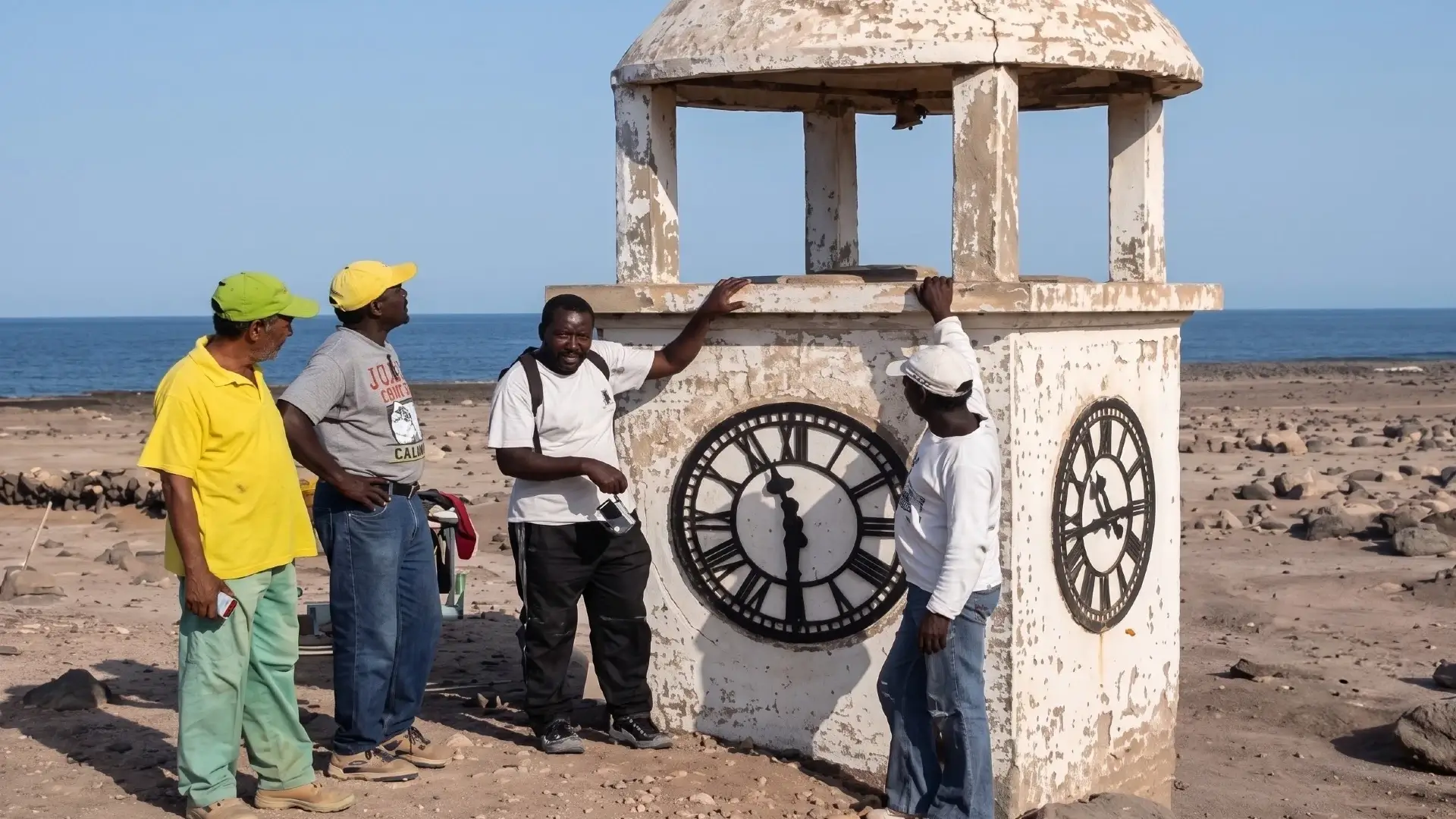
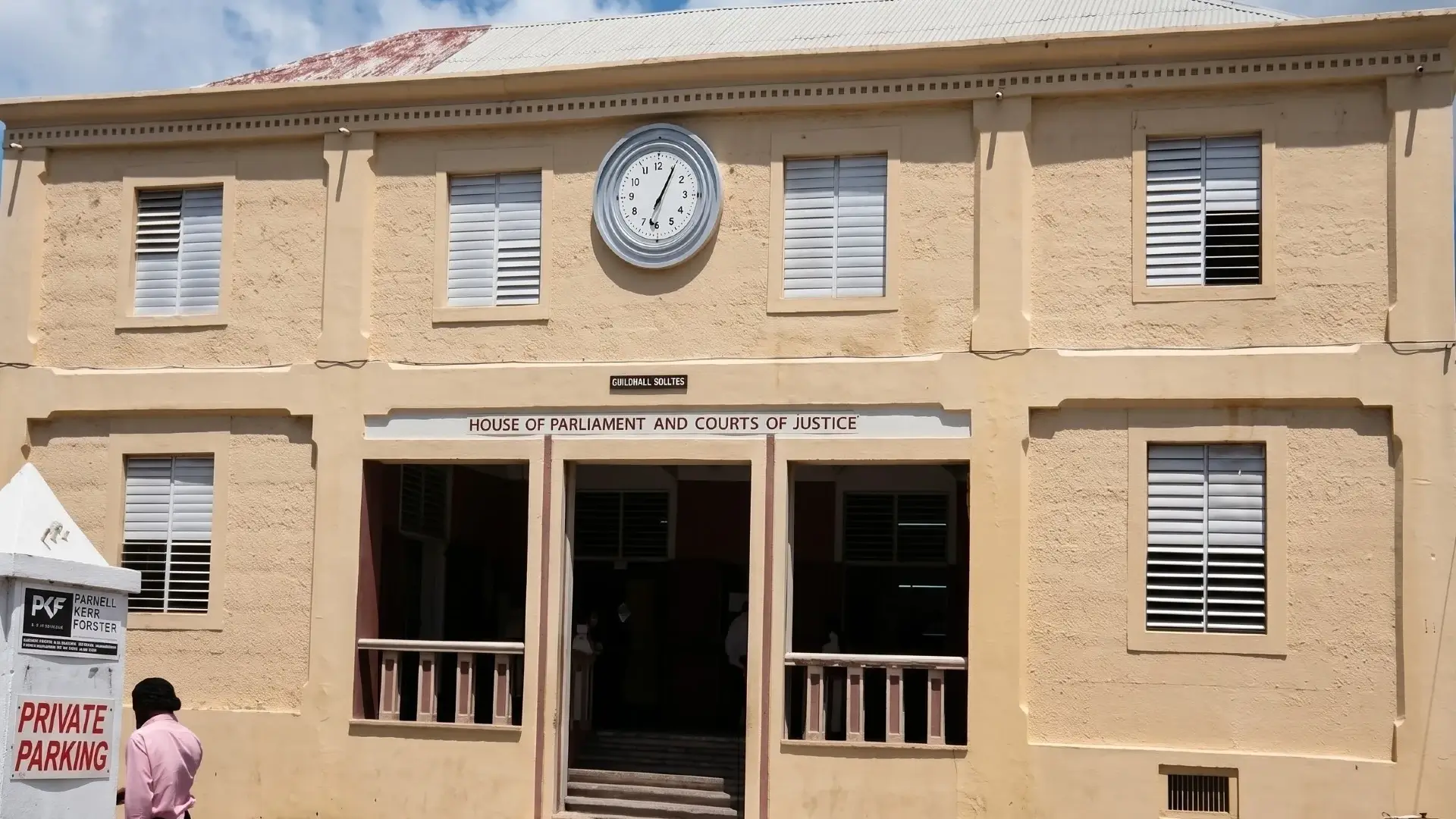
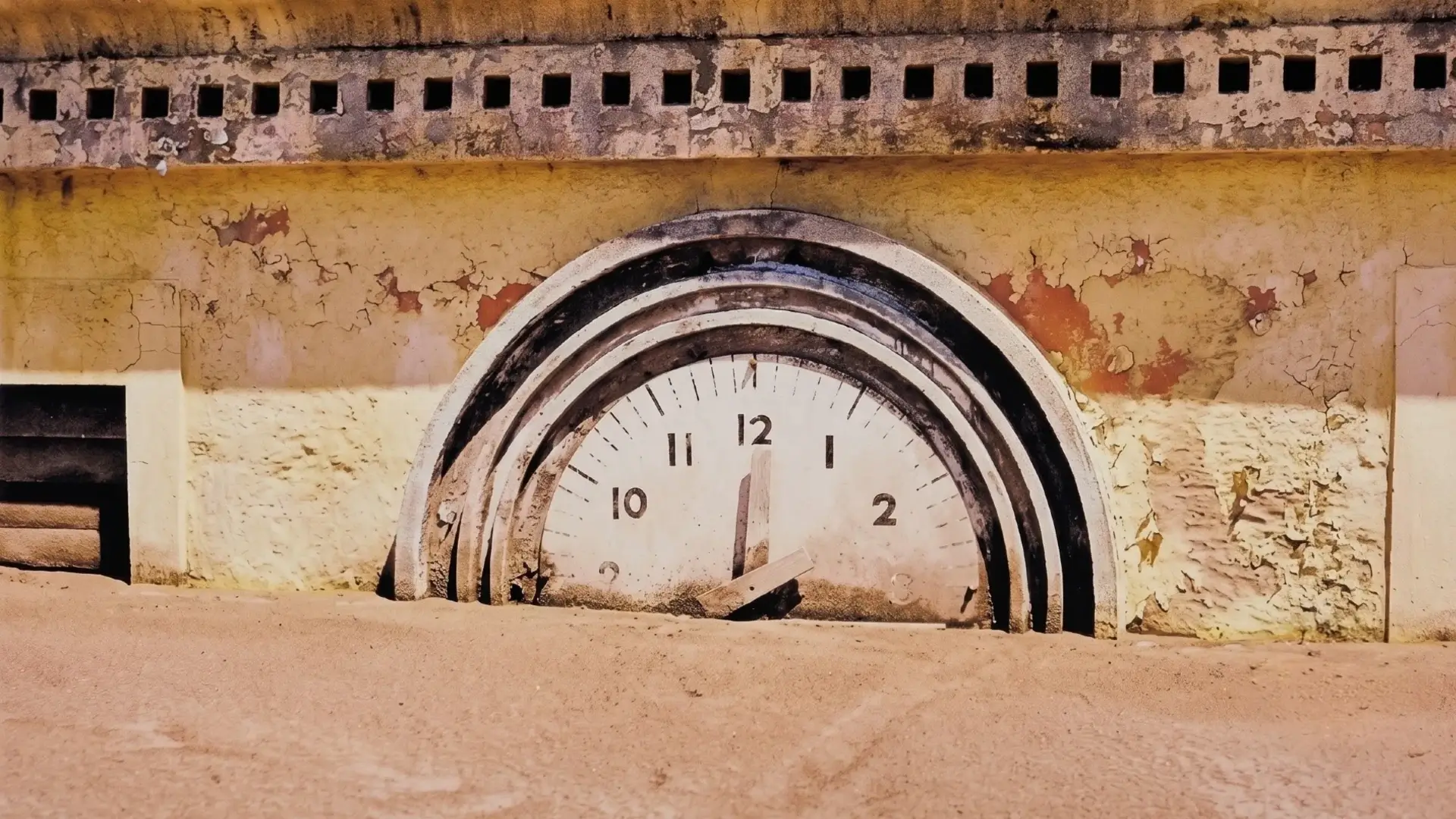
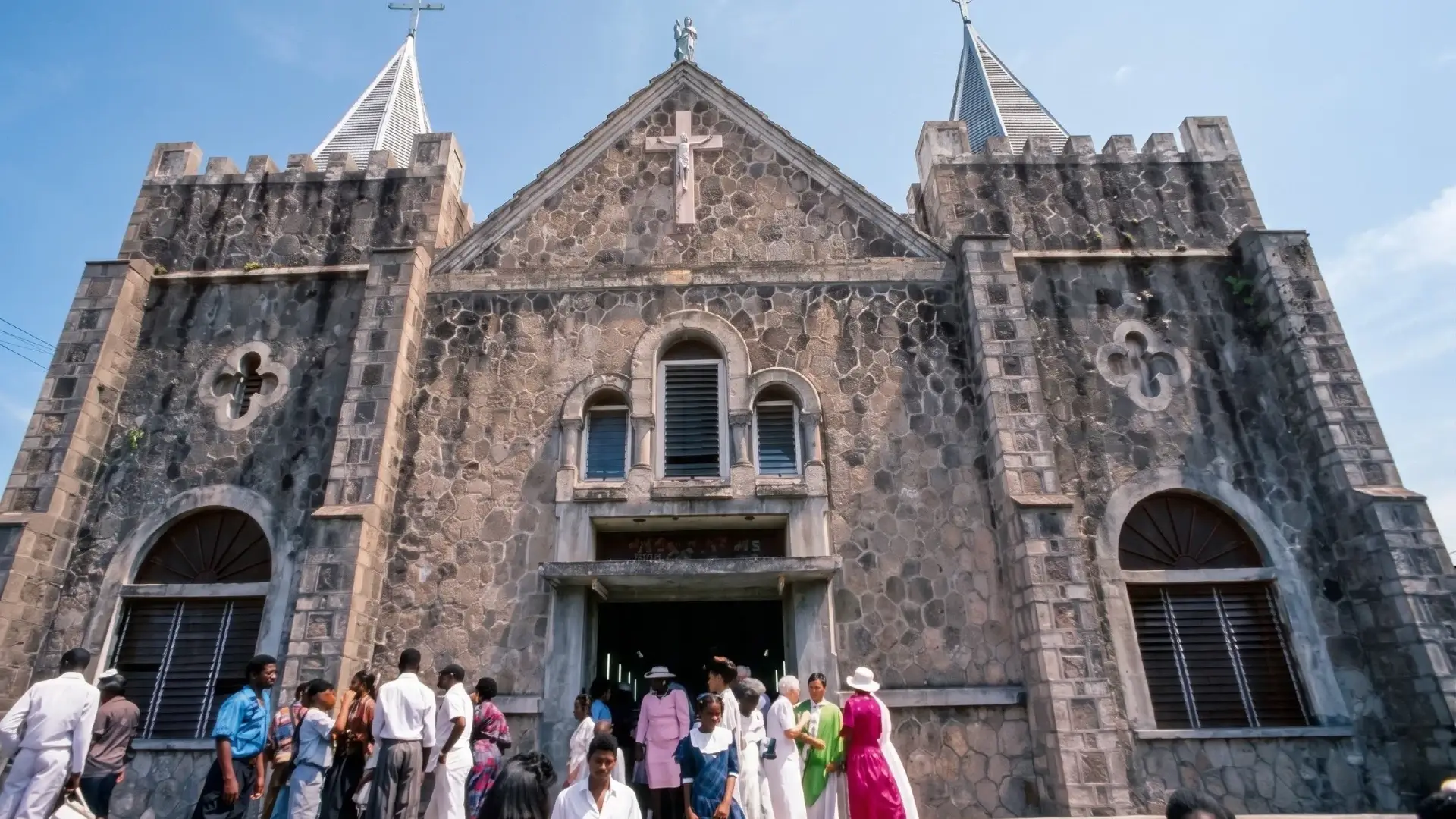
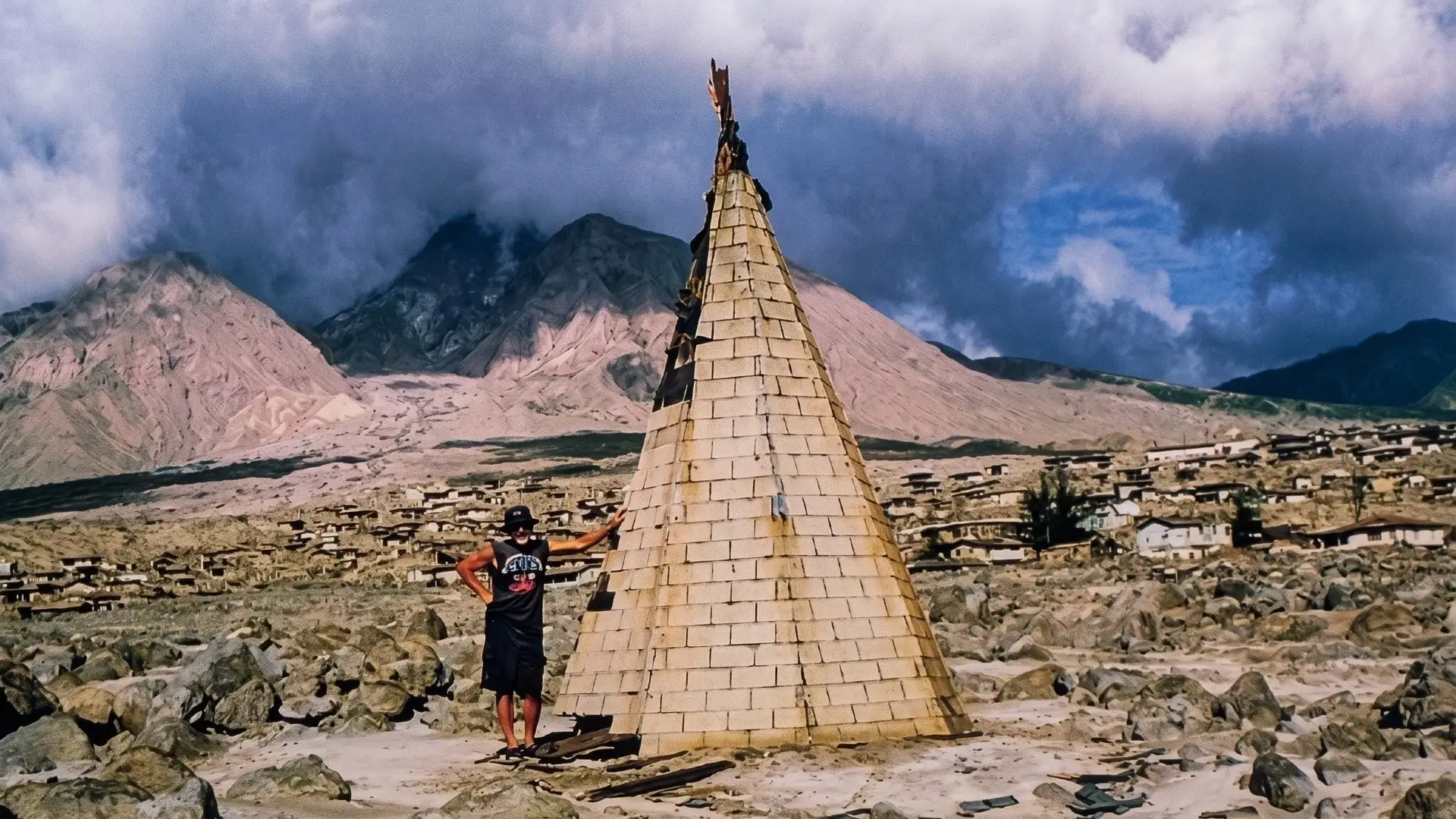
After Hurricane Hugo devastated the island in 1989, the Soufrière Hills volcano—dormant for centuries—erupted in 1995. Subsequent eruptions buried the capital city of Plymouth in ash and pyroclastic flows, rendering the southern two-thirds of the island uninhabitable and forcing more than half the population to evacuate. Today, as a British Overseas Territory, Montserrat is rebuilding in the safe northern zone and developing a new capital at Little Bay, while the buried ruins of Plymouth stand as a “modern Pompeii” and a testament to the island’s resilience.
Montserrat also served as a launchpad for regional industry. LIAT (Leeward Islands Air Transport) was founded at Olveston House, initially operating from a small grass landing strip on the plantation grounds. After an aircraft was damaged on the rough runway during takeoff in 1956, the airline relocated operations to a dedicated facility on the east coast. That site, Blackburne Airport, was destroyed in 1997 during the Soufrière Hills eruptions. Its replacement, Gerald’s Airport, opened in 2005 and was later renamed John A. Osborne Airport in honor of the island’s former Chief Minister. While the original LIAT carrier ceased operations in early 2024, the brand was restructured and revived as LIAT 20 (LIAT 2020) through a partnership between the government of Antigua and Barbuda and Air Peace.
Dates and events are courtesy of Brown University’s “Montserrat’s Archaeology and History: Important Dates and Sites”, William Innanen’s “A Condensed History of Montserrat” and Marion Wheeler’s “Monsterrat West Indies”.

 Photo credit: www.suebeehomemaker.comDill Pickle Ranch Dressing
Leave a Reply
Want to join the discussion?Feel free to contribute!